The Nutrient Almost Everyone Under-Eats (and How to Fix It)
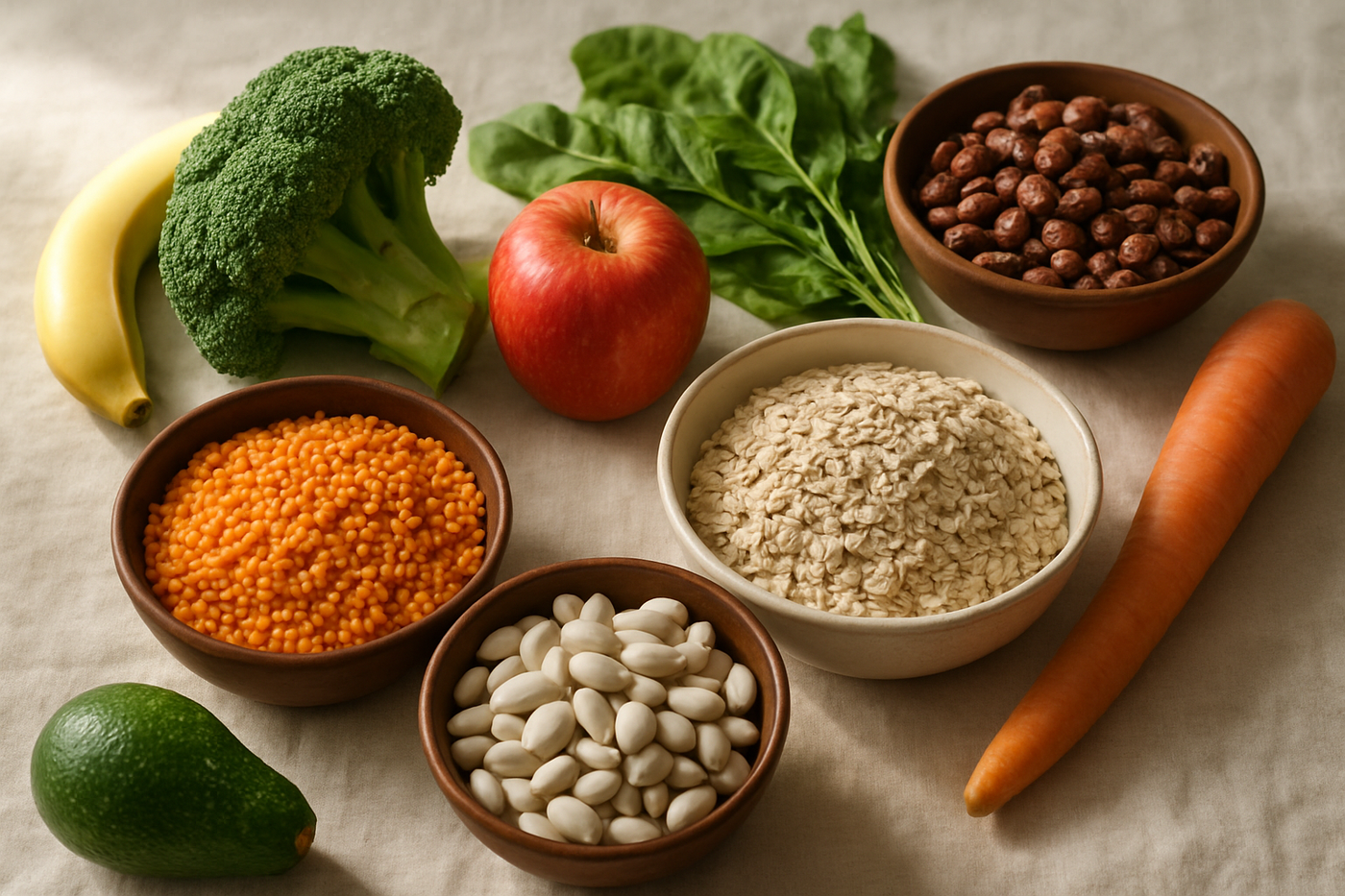
Protein gets all the attention these days. It's on every label, in every shake, the star of every conversation about eating well. Fiber, meanwhile, gets almost none of that love, and yet it's the nutrient most of us are genuinely short on. The typical adult eats roughly half the fiber they should, year after year, and the strange part is that nothing ever feels obviously wrong. There's no dramatic deficiency moment, no symptom that smacks you in the face on day one. Fiber just quietly costs you, a little at a time, on fullness, digestion, blood sugar, and your long-term health.
So consider this the case for the most boring, most overlooked nutrient on the whole label, along with the genuinely easy ways to close the gap. And no, I promise this doesn't involve choking down a sad bran muffin every morning.
How much fiber do you actually need?
Here's the target to anchor on. A common goal is about 25 grams a day for women and 38 grams for men, and most adults manage only around 15 grams, which is roughly half of what they need. Now, you don't have to count this precisely, and I'd honestly rather you didn't. The practical version is simply this: if beans, vegetables, fruit, and whole grains are rare visitors in your day, you're almost certainly running short, and adding more of those foods will fix it without any math at all.
It helps to understand what fiber even is, because that's where its whole usefulness comes from. Fiber is the part of plant foods your body can't fully digest, and that's exactly why it works the way it does. It slows digestion down, it feeds the bacteria living in your gut, and it adds bulk that keeps you feeling full. Animal foods like meat, eggs, and dairy have essentially none of it, which is why a meat-and-white-carbs diet runs low on fiber no matter how "clean" the whole thing looks on the surface.
Why does fiber matter so much?
Here's what I find genuinely impressive about fiber: it earns its keep in several ways at once, all from the same humble ingredient.
- It keeps you full. Fiber adds volume and slows digestion, so high-fiber meals satisfy you on fewer calories. That's a big part of why people who eat plenty of fiber tend to manage their weight more easily.
- It steadies blood sugar. By slowing how fast your carbs digest, fiber blunts that spike-and-crash cycle, which is really the whole backbone of building meals for steady energy.
- It feeds your gut. The bacteria down in your gut ferment certain fibers, and that whole process is central to gut health, which food supports far better than any supplement ever could.
- It supports digestion and regularity. This is the plainest benefit of the bunch, and it's usually the very first thing people notice when they finally start hitting their target.
- It's linked to better long-term health. Higher-fiber diets are consistently associated with lower rates of several chronic diseases, which is a quiet but meaningful payoff over the years.
One humble nutrient, several real benefits, and almost no downside to speak of, other than needing to introduce it gradually so your gut has time to adjust.
The two kinds of fiber (and why you do not need to overthink it)
You've probably seen fiber split into two types, soluble and insoluble, and I want to walk through it briefly so the labels stop being mysterious. Soluble fiber dissolves in water and forms a kind of gel that slows digestion and helps with blood sugar and cholesterol. Oats, beans, apples, and citrus are all rich in it. Insoluble fiber, on the other hand, adds bulk and keeps things moving along. Whole grains, vegetables, and the skins of fruit carry more of that kind.
Now here's the practical takeaway, and it's a relief: you really don't need to track which is which. Eat a variety of whole plant foods and you'll get both kinds automatically, without ever thinking about the distinction. The only people who genuinely need to think harder about the soluble-versus-insoluble split are those managing a specific digestive condition, and that's a conversation to have with your doctor, not a label-reading project you have to take on yourself.
The easiest ways to eat more fiber
You can close most of the gap with just a handful of swaps, and it helps to know where the grams actually live. Here's a quick look.
| Food | Serving | Approx. fiber |
|---|---|---|
| Lentils | 1 cup cooked | ~15 g |
| Black beans | 1 cup cooked | ~15 g |
| Raspberries or blackberries | 1 cup | ~8 g |
| Avocado | 1 medium | ~10 g |
| Oats | 1 cup cooked | ~4 g |
| Whole-grain bread | 2 slices | ~6 g |
| Broccoli | 1 cup cooked | ~5 g |
| Chia seeds | 2 tbsp | ~10 g |
And here are a few practical moves built right on top of that list:
- Add beans or lentils to things you already eat. Soups, bowls, salads, tacos, whatever's already on the menu. This is hands down the single highest-yield habit you can build, since one cup can be over half your day's target on its own.
- Make at least one swap from refined to whole grain. Whole-grain bread instead of white, brown rice or quinoa instead of plain white rice. Small change, real difference.
- Keep fruit and vegetables in the picture at most meals. Berries, apples, and the skins of your produce are all quiet little fiber sources that add up over a day.
- Go gradually, and drink your water. Jumping from 15 grams to 40 overnight will absolutely make your gut unhappy with you. Add just a few grams at a time over a couple of weeks and you'll barely notice the adjustment.
A quick word on supplements, since people always ask. A fiber powder can genuinely help in a pinch, but it doesn't replace whole foods, which bring along protein, a whole range of nutrients, and the real fullness that a scoop of powder simply can't match. So lean on food first and treat powder as the backup.
This is general nutrition information, not medical advice. If you have a digestive condition, please talk to your doctor before making any big changes.
FAQ
How much fiber do I need per day?
Roughly 25 grams for women and 38 grams for men is the common target. Most adults get only about 15 grams, so for most people the goal really comes down to roughly doubling their intake by eating more beans, vegetables, fruit, and whole grains. No precise counting required.
What foods are highest in fiber?
Beans and lentils lead by a wide margin, at around 15 grams per cooked cup. After those come berries, avocado, chia seeds, whole grains, and most vegetables. Animal foods, just so you know, have essentially none.
Why do I feel bloated when I add fiber?
It's almost always because you added too much too fast. Your gut just needs a couple of weeks to adjust to the new normal. Increase your fiber gradually, a few grams at a time, and drink plenty of water alongside it, and the bloating settles down.
Is a fiber supplement as good as food?
A supplement can help fill a gap in a pinch, but it doesn't bring the protein, the broader nutrients, and the fullness that whole high-fiber foods do. Use food as your main source and treat powders as a backup, not a replacement for the real thing.
Does cooking destroy fiber?
No, you can relax on that one. Cooking can soften fiber and change its texture, but it doesn't remove it. Cooked beans, oats, and vegetables are all still excellent sources.
The bottom line
Fiber is the nutrient almost everyone under-eats, and finally fixing it quietly pays off across fullness, blood sugar, digestion, and your long-term health all at once. Aim somewhere in the mid-20s to high-30s in grams, lean on beans, vegetables, fruit, and whole grains, add it gradually so your gut keeps up, and skip the supplement-first thinking. It's genuinely the cheapest nutritional upgrade most people are walking right past.
Want meals built on whole-food, fiber-rich ingredients with the macros already listed for you? See what's on this week's menu. No subscription required.
Written by the My Healthy Penguin kitchen team. Fresh meal prep made in Rancho Cucamonga, serving Southern California since 2015.
Dinner, already handled.
Fresh, macro-friendly meals delivered across Southern California.