How to Build Meals for Steady Energy, Not Spikes and Crashes
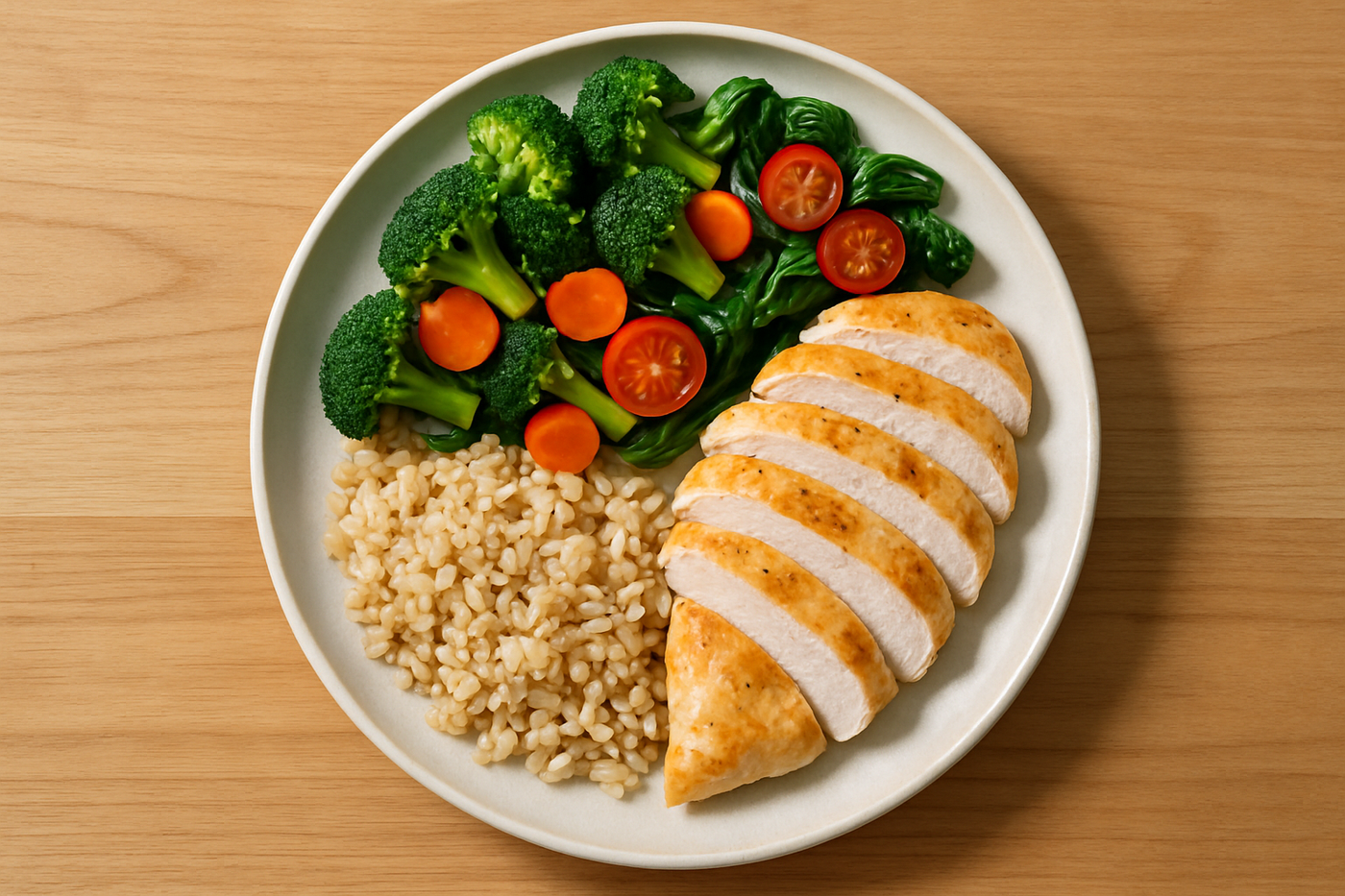
Here's something that took me a while to really believe: energy isn't actually about willpower, and it's not about how much coffee you managed to drink before noon. A lot of the time, that tired, foggy feeling that hits about an hour after you eat is the meal itself talking. Eat the wrong shape of meal and your blood sugar spikes, then dips below where it started, and your body reads that dip as straight-up exhaustion. Eat the right shape, and those same hours just feel flat and steady and quietly productive.
The genuinely good news is that "the right shape" is a formula, not a diet. It's not a list of forbidden foods or a meal plan you have to memorize. Once you can see the formula, you can build it out of almost any food, at almost any restaurant, in pretty much any kitchen. So let me show you what it is.
What does a steady-energy meal actually look like?
Here's the whole idea in one sentence. A steady-energy meal pairs protein, fiber, and some fat with your carbohydrate, so the carbs get released slowly instead of dumping into your blood all at once. Carbs eaten alone, like a bagel by itself, a soda, a candy bar, or plain white rice, hit fast and then fade just as fast. Those exact same carbs eaten alongside some chicken, vegetables, and a little olive oil release in a slow trickle instead, and that slow trickle is what flat, usable energy actually feels like from the inside.
That's the entire mechanism, honestly. You're not avoiding carbs and you're not punishing yourself. You're just slowing the carbs down by surrounding them with protein, fiber, and fat. Build most of your meals around that trio plus a sensible carb, and the whole spike-and-crash pattern mostly fades into the background.
Why do some meals make you crash?
It helps to see the crash for what it really is, which is a pretty predictable chain of events rather than some mysterious afternoon curse. A fast-digesting, carb-heavy meal sends your blood sugar shooting up. Your body, doing its job, answers with a surge of insulin to bring it back down. The trouble is that surge often overshoots, dropping your blood sugar below where you even started. That low point is the wall you hit, the heavy eyelids and the sudden craving for something sweet to climb back out, which of course sets up the very next spike. It's a loop, and once you're in it, it keeps feeding itself.
The usual culprits are pretty easy to spot once you know the shape of the pattern:
- Liquid sugar. Soda, juice, sweetened coffee drinks. Fast in, fast crash, and no fiber or protein anywhere to slow things down.
- Refined carbs eaten alone. White bread, pastries, plain pasta, chips. Carbohydrate with almost nothing attached to it.
- Skipping protein. A carb-only lunch is the classic setup for the 3 p.m. crash.
- Going too long without eating, then overeating. A big rebound meal on a totally empty tank tends to spike the hardest of all.
The simple plate formula
You really don't need to count anything to build a steady meal, which is the part I love. Just use the plate itself as your guide:
- Protein first. A palm-sized portion of chicken, fish, eggs, tofu, beans, or lean meat. Protein is the most stabilizing thing on the plate and also the most filling, so it earns its spot at the front.
- Fiber from vegetables. Fill up about half the plate. Fiber physically slows down how fast the whole meal digests, which is exactly what you want.
- A smart carb, not a giant one. Whole grains, beans, fruit, or starchy vegetables in a reasonable portion. Whole-food carbs come with their own fiber built in, so they're already slowed down for you.
- A little fat. Olive oil, avocado, nuts, or just the fat already living in your protein. Fat flattens the curve even further.
That order genuinely matters. When you anchor with protein and vegetables and let the carb play a supporting role, you almost can't build a crash meal by accident even if you tried. And if macros are still a bit fuzzy for you, the plain-language version of protein, carbs, and fat walks through the basics without the jargon.
A steady day vs a crashy day
Same calories, wildly different afternoons. Here's the contrast laid out side by side so you can actually see it.
| Meal | Crashy version | Steady version |
|---|---|---|
| Breakfast | Bagel and orange juice | Eggs, Greek yogurt, berries |
| Lunch | White-bread sandwich, chips, soda | Chicken bowl with rice, vegetables, olive oil |
| Snack | Cookies | Apple with nut butter, or cheese |
| Dinner | Big plate of plain pasta | Salmon, roasted vegetables, a scoop of grains |
Now, the crashy column isn't exactly "bad food," and I don't want you reading it that way. It's mostly just carbs flying solo with nothing to balance them. The steady column is the same kinds of meals, only with protein, fiber, and fat actually doing their job alongside the carbs.
Who this matters most for
Steady-energy eating genuinely helps almost everyone, but it becomes a much bigger deal if you work long or odd hours, if you hit a hard wall every single afternoon, or if you're managing your blood sugar for any reason at all. Matching your meals to a demanding schedule is its own particular challenge, and I dig into that more in beating the afternoon crash with what you eat.
One honest note before we go on. This is general nutrition information, not medical advice. If you have diabetes, prediabetes, or any condition that affects your blood sugar, your care team should be the one guiding your specific targets. The plate formula here is a sensible default to lean on, not a treatment for anything.
FAQ
What foods give you steady energy?
Meals that combine protein, fiber, and a little fat with a moderate carb portion. Picture eggs and yogurt, chicken with vegetables and whole grains, or fish with a salad and some olive oil. The protein and fiber slow the carbs down, and that slowing-down is the whole reason your energy stays flat instead of spiking.
Why do I get tired after eating?
Usually it's because the meal was carb-heavy and low in protein and fiber, so your blood sugar spiked and then dipped below baseline. That dip is what registers as exhaustion. Adding some protein and vegetables to the exact same meal smooths the curve right out.
Are carbs bad for energy?
Not at all. Carbs are your body's main fuel source. The real problem is fast carbs eaten alone, which spike and crash. Those same carbs paired with protein, fiber, and fat release slowly and hand you steadier energy instead.
Does eating smaller, more frequent meals help?
For some people it does, mostly because it avoids the big-spike-big-crash swings that come from going hungry for too long and then overeating. But the composition of the meal matters more than the timing. A well-built meal every few hours will beat frequent carb-only snacks every time.
What is the single easiest change for more energy?
Add protein to whatever you're already eating, especially at breakfast and lunch. Most crashes trace right back to a carb-only meal with no protein in it to slow things down, so this one move quietly fixes a lot.
The bottom line
Steady energy is a meal-shape problem, not a willpower problem, and I think that reframe takes a lot of guilt off the table. Pair protein, fiber, and a little fat with a sensible carb portion, and your blood sugar simply stops spiking and crashing. Use the plate formula, anchor with protein and vegetables, treat the carb as a side rather than the star, and that afternoon wall mostly stops showing up at all.
Want meals already built to this exact shape, with protein, vegetables, and smart carbs portioned and labeled for you? See what's on this week's menu. Every meal lists its macros, no subscription required.
Written by the My Healthy Penguin kitchen team. Fresh meal prep made in Rancho Cucamonga, serving Southern California since 2015.
Dinner, already handled.
Fresh, macro-friendly meals delivered across Southern California.