How to Eat Well Cooking for One Without the Waste
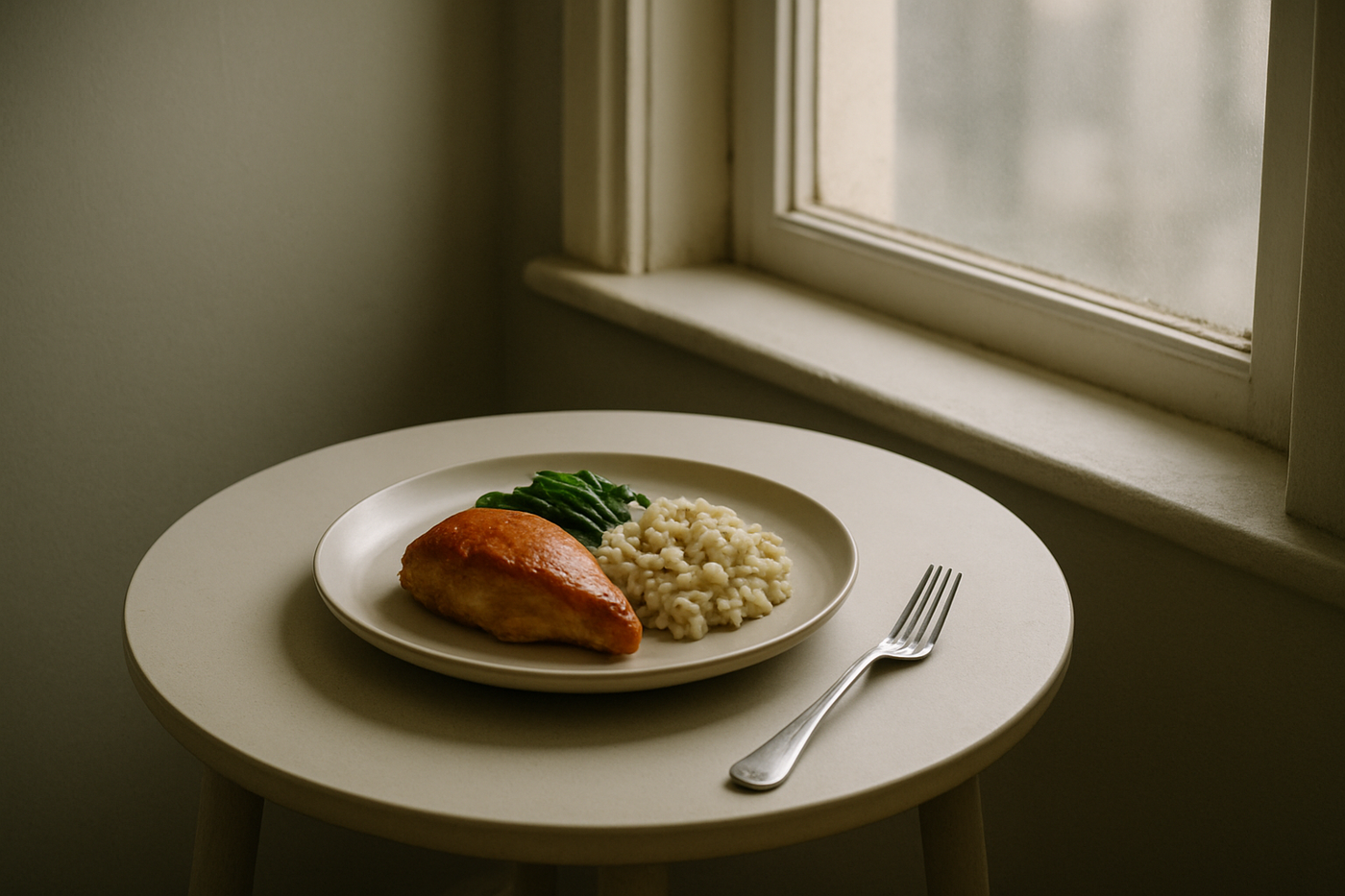
Cooking for one has this frustrating little math problem sitting right at the center of it. Groceries come sized for whole families, recipes serve four people, and a single person ends up either eating the exact same thing for five days straight or sadly watching half a bag of spinach slowly turn to slime in the crisper drawer. I want to say clearly that the waste isn't a personal failing on your part. The whole food system is genuinely built for households, and a party of one is constantly fighting the packaging just to break even. Once you start seeing it that way, the fixes get a lot more practical and a lot less guilt-inducing.
So here's the useful version of all this: how to shop, cook, and portion for one so that you eat genuinely well without throwing your money straight into the trash.
Why is cooking for one so wasteful?
Cooking for one is wasteful because, plainly, food is sold and written for groups, not individuals. Produce comes in bunches, proteins come in family packs, recipes come in four-serving yields, and perishables go bad before one person can possibly finish them. The result is that classic single-cook trap that you probably know well: you buy for variety, you cook too much, you eat the leftovers until you're genuinely sick of them, and then you toss whatever's left.
The fix here isn't willpower; it's just a few small systems that bend the group-sized world back to your actual scale. Shop with a short, specific plan, lean on freezer-friendly and shelf-stable staples, and cook in a way that gives you variety without five identical containers staring back at you. Do that, and the waste mostly disappears, and so does a lot of the boredom that quietly drives you to takeout. Here's the part people miss: those two problems, the waste and the monotony, actually share the very same set of solutions.
Shop to your real scale
Most single-cook waste is genuinely decided at the store, before any cooking has even happened. So here are a few habits that really cut it down:
- Plan three or four meals, not a fantasy week. Buy for what you'll realistically cook, and deliberately leave room for the night you just don't feel like it, because that night is coming.
- Use the freezer aggressively. Frozen vegetables, fruit, and proteins don't spoil on your timeline, they portion easily, and they waste essentially nothing. Frozen really isn't a downgrade for a solo cook; honestly, it's your secret weapon.
- Buy proteins you can split and freeze. Repackage a family pack of chicken into single portions the same day you get home, freeze them flat, and just pull one out as you need it.
- Favor flexible, slow-to-spoil produce. Onions, carrots, cabbage, peppers, and citrus all last a good while; those pre-bagged delicate greens, on the other hand, often really don't.
- Buy some things loose. Plenty of stores let you grab two potatoes or a single bell pepper instead of a whole bag. Single portions, zero waste, no guilt.
These same moves happen to make your grocery dollar stretch a good deal further too. And if you're weighing the true cost of cooking against just ordering, our real cost breakdown of meal prep versus groceries runs the actual math, including the waste and the impulse buys that usually get left out.
Cook for variety, not just leftovers
Eating the same dish five nights running is honestly the fast track to abandoning home cooking altogether. So here are two strategies that give a solo cook real variety without daily cooking or daily waste:
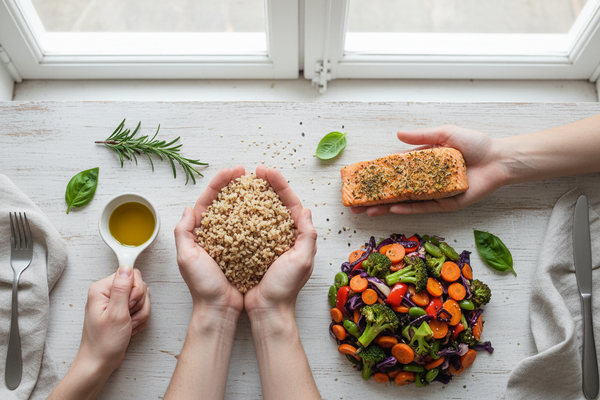
- Cook components, not full meals. Batch a protein, a grain, and a couple of roasted vegetables, then mix and match them into different bowls, wraps, and plates across the whole week. Same prep, genuinely different meals.
- Cook once, freeze in singles. When you do make a full recipe that serves four, portion the extra into single servings and freeze them right away. Over time you build yourself a personal "frozen menu" of ready dinners, instead of eating the same thing four days in a row.
Both of these approaches turn one cooking session into several genuinely different meals, which is exactly what cooking for one needs to stay sustainable. The whole goal is to separate "I cooked today" from "I ate the same thing today," because those two really don't have to go together.
A waste-proof week for one
To make all this concrete, here's how a single batch of components can quietly become a varied week of eating:
| Day | Meal | Built from |
|---|---|---|
| Monday | Chicken and rice bowl with roasted veg | The base batch |
| Tuesday | Chicken wrap with greens | Same chicken, new format |
| Wednesday | Frozen single-serving meal | From a past cook-once session |
| Thursday | Grain bowl with beans and veg | Pantry plus leftovers |
| Friday | Eggs and roasted veg | Using up the last vegetables |
One real cooking session, plus the freezer doing its quiet work, covers a whole week with almost nothing thrown away at the end of it. The pantry and the freezer carry you through the nights you genuinely don't want to cook.
When buying meals beats cooking for one
Now here's the honest part. For a single person, cooking from scratch isn't always actually cheaper once you really count the food that gets wasted, the time you spent, and the takeout you order on the nights it all falls apart anyway. When you only need one portion to begin with, pre-portioned ready meals can genuinely compete on cost and beat it on waste, simply because nothing spoils in your fridge and there's no half-used produce to feel guilty about throwing out.
I want to be clear that this isn't an either-or situation at all. Plenty of solo cooks batch their components when they've got the energy for it and keep a few ready meals on hand for all the rest. If you'd like to weigh the real trade-offs for yourself, our piece on finding your batch-cooking versus ordering system lays out who each approach actually suits.
FAQ
How do I stop wasting food when cooking for one?
Shop to a short, realistic plan, use the freezer for your proteins and vegetables, buy produce loose wherever you can, and cook components you can remix rather than one big repetitive dish. Most single-cook waste is decided right at the store, so a tighter shopping list genuinely does the heavy lifting.
How do I cook for one without eating the same thing all week?
Cook flexible components, a protein, a grain, and some vegetables, then combine them into different bowls, wraps, and plates. Or cook a full recipe and freeze the extra in single servings to build a varied frozen menu over time. Both give you real variety without cooking every single day.
Is it cheaper to cook for one or buy ready meals?
It honestly depends on how much you waste and how often you default to takeout. Scratch cooking can be cheaper if very little spoils, but once you count the wasted groceries and the convenience orders, pre-portioned ready meals often compete closely for a single person and create far less waste along the way.
What are the best groceries for one person?
Freezer-friendly proteins, frozen vegetables and fruit, slow-to-spoil produce like onions, carrots, and citrus, and pantry staples like rice, beans, oats, and eggs. These all portion easily and, importantly, they don't punish you for not finishing them fast.
How do I keep meals interesting for just myself?
Lean on components you can recombine, plus a rotating set of sauces and seasonings to change the flavor of the same base ingredients. Variety honestly comes from format and flavor far more than it comes from cooking a brand-new dish every night.
The bottom line
Cooking for one is wasteful because the food world is simply built for families, but a few small systems fix it nicely: shop to a realistic plan, lean hard on the freezer, cook flexible components, and freeze your extras in single portions. And when one portion really is all you need, ready meals can match the cost while beating the waste. So use whatever mix keeps you eating well without filling up the trash.
When cooking for one is more hassle than it's worth, see what's on this week's menu. Every meal is single-portioned and ready to heat with full macros listed, so nothing spoils and nothing goes to waste. No subscription required.
Written by the My Healthy Penguin kitchen team. Fresh meal prep made in Rancho Cucamonga, serving Southern California since 2015.
Dinner, already handled.
Fresh, macro-friendly meals delivered across Southern California.