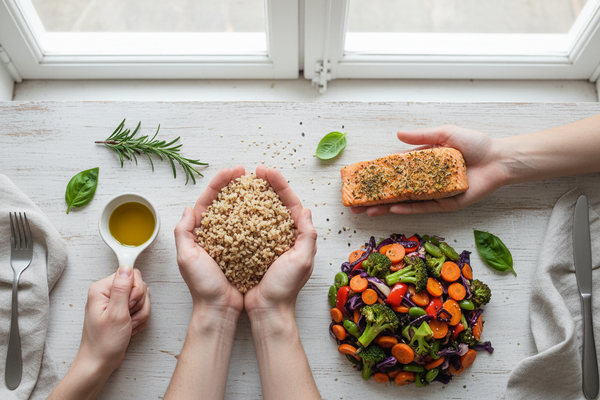
Here’s How To Get More Fiber In Your Meal Prep Plan
Heart health is one of biggest concerns that people cite when they look to make a change in their diet and start meal prepping. And if you want to make sure that your meal prep plan is heart-healthy, it means that you’re going to want to have plenty of fiber.
We often take fiber for granted, but it’s such an important nutrient that it’s even considered a “macronutrient,” akin to proteins, carbohydrates, and fats.
So what exactly is fiber, and how can you make sure that you’re getting enough of it in your meal prep plan?
What exactly is fiber?
Fiber is a nutrient that comes from different plant-based foods like fruits, veggies, and whole grains.
Technically, it falls into the same type of category as carbohydrates. However, there are some key differences that put fiber in a category of its own. Unlike other kinds of carbohydrates, fiber can’t be metabolized and digested by your digestive system. Instead, it passes right through your digestive system.
But during this journey, fiber does some pretty important jobs in your body including:
- Feeding your gut microbiome, or the colony of beneficial bacteria in your intestines
- Bulking up your stool and keeping your bowel movements regular
- Lowering your cholesterol levels to prevent plaque buildup and high blood pressure
- Controlling your blood sugar
- Keeping you full and satisfied to prevent over-eating, which is great for someone looking to lose weight
There are two kinds of fiber: insoluble and soluble. Both of these types of fibers play a different but important role in managing your digestive system and boosting your heart health.
How To Get More Fiber In Your Meal Prep
While fiber supplements are becoming increasingly popular, the best sources for nutrients tend to be whole, fresh foods. So because fiber is so important, you want to make sure you’re getting enough of it in your meal prep plan.
Here’s how:
Add plenty of vegetables.
As mentioned above, plant-based foods are the best sources for dietary fiber, giving you yet another reason to eat your veggies.
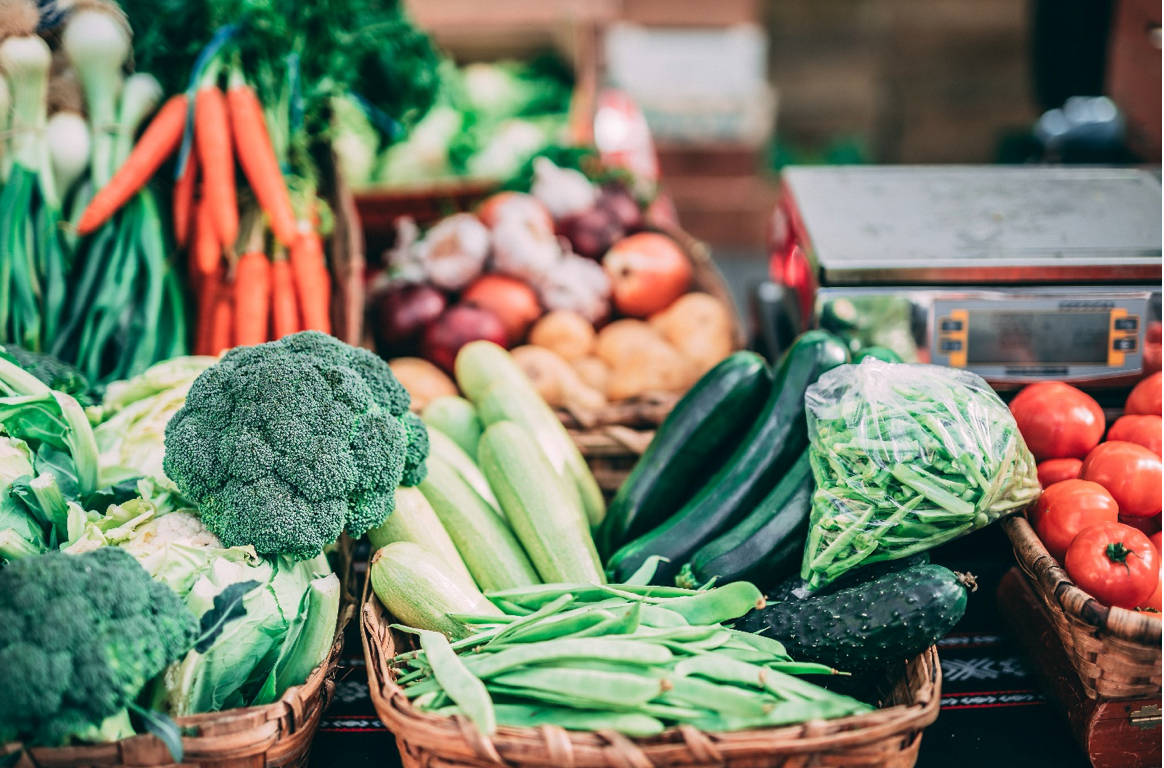
Cruciferous veggies, like broccoli, brussels sprouts, and kale, are particularly good sources of fiber. However, you should be eating a variety of vegetables to get the most fiber (as well as vitamins, minerals, and other phytonutrients).
For the best results, make sure that every meal that you meal prep has a good serving of nutritious veggies.
Eat a variety of fresh fruit.
Fruits are another great source for dietary fiber. For example, pears and apples are both excellent sources for fiber, especially when you leave the skins on. In addition, raspberries are some of the best fruit-based sources for fiber and have a ton of antioxidants to boot.
To incorporate more fruit into your meal prep, cut them up and pack them for a grab-and-go snack, or use them as a sweet topping to salads, breakfast bowls, or mid-day smoothies.
Load up on the whole grains.
Whole grains are probably the first thing that come to mind when you think of fiber, and for good reason. Grains that are whole are less processed than their “refined” counterparts, which means that they have their nutritious outer coating still intact. And one of the biggest benefits of that nutritious outer layer is that they contain a good amount of fiber!
Eating more whole grains is often as simple as making some easy swaps: brown rice instead of white rice, whole wheat pasta instead of refined pasta, whole-grain bread rather than white bread, etc. In addition, other healthy carbohydrates with a good amount of fiber include quinoa, oatmeal, and bran.
Use these healthy carbs as a base for your prepped meals to add texture and nutrition to each bite.
Don’t forget the legumes.
Legumes are incredibly nutrient-dense, making them an excellent source for fiber as well as protein and healthy carbohydrates.
Some popular and fiber-rich legumes include black beans, chickpeas, lentils, peas, and kidney beans.
Conclusion
We can’t underestimate how important fiber is in our diet, especially if our goals include better heart health and improved body composition. Subscribing to a healthy meal prep delivery service can help set you up for better success in improving your nutrition intake, especially when it comes to fiber. Check out My Healthy Penguin if you’re looking for a local San Diego or Los Angeles meal prep delivery service that puts the emphasis on healthy eating.
Dinner, already handled.
Fresh, macro-friendly meals delivered across Southern California.